Simpson 3100 PSI Pressure Washer Manual: A Comprehensive Guide
This comprehensive manual details the Simpson 3100 PSI pressure washer, offering guidance on assembly, operation, maintenance, and troubleshooting for optimal performance.
Welcome! This manual serves as your guide to effectively utilizing the Simpson 3100 PSI pressure washer. Designed for a variety of cleaning tasks around your property, this powerful tool delivers 3100 pounds per square inch (PSI) of water pressure. It’s built for efficiency and durability, streamlining your workflow and boosting productivity.
Whether tackling grime on driveways, prepping surfaces for painting, or washing vehicles, understanding its features is key. This guide will walk you through each step, from initial assembly to routine maintenance, ensuring safe and optimal operation. Thank you for choosing Simpson – your gateway to a cleaner, more efficient outdoor experience!
Safety Precautions and Warnings
Important Safety Information: Always read this section before operating your Simpson 3100 PSI pressure washer. Misuse can cause serious injury. Never point the wand at yourself or others. Wear safety goggles to protect your eyes from debris. Avoid spraying electrical components.
Ensure a stable footing during operation. Keep children and pets away from the work area. Disconnect the power source when not in use or performing maintenance. Do not modify the pressure washer in any way. High-pressure spray can cause lacerations; exercise extreme caution. Follow all local safety regulations.
Understanding the Components
Familiarize yourself with your Simpson 3100 PSI pressure washer’s key parts. This includes the high-pressure pump, responsible for generating pressure; the Honda engine (or electric motor), providing power; and the 3100 PSI rated nozzle set, controlling spray patterns.
The high-pressure hose connects the pump to the trigger gun and wand. The trigger gun controls water flow, while the wand directs the spray. A detergent tank allows for applying cleaning solutions. Understanding these components is crucial for proper assembly, operation, and maintenance of your pressure washer.
Nozzle Selection and Functionality
Your Simpson 3100 PSI pressure washer includes a variety of nozzles, each designed for specific cleaning tasks. A 0-degree nozzle delivers a concentrated stream for stubborn dirt, while a 15-degree nozzle is suitable for general cleaning. The 25-degree nozzle offers wider coverage, and a 40-degree nozzle is ideal for delicate surfaces.
A soap nozzle creates a low-pressure spray for applying detergents. Always select the appropriate nozzle based on the surface you’re cleaning to avoid damage. Experiment to find the optimal nozzle for your needs, ensuring effective and safe cleaning.
High-Pressure Hose and Connections
The high-pressure hose is a critical component, safely conveying water from the pump to the spray wand. Ensure the hose is securely connected to both the pump and the trigger gun, utilizing the quick-connect fittings. Inspect the hose before each use for any signs of damage, such as cracks, bulges, or abrasions.
Never attempt to repair a damaged hose; replace it immediately. Avoid kinking or twisting the hose during operation, as this can reduce water flow and potentially cause damage. Proper hose management extends its lifespan and ensures safe operation.
Trigger Gun and Wand Assembly
The trigger gun controls the flow of high-pressure water, while the wand directs the spray. Carefully attach the wand to the trigger gun, ensuring a secure lock. The trigger features a safety lock to prevent accidental activation; familiarize yourself with its operation.
Before use, verify the wand is firmly connected and the trigger moves smoothly. Never point the wand at yourself or others. Regularly inspect the trigger gun and wand for leaks or damage, replacing any faulty components promptly. Proper assembly is vital for safe and effective cleaning.
Assembly Instructions
Before operating your Simpson 3100 PSI pressure washer, proper assembly is crucial for safety and performance. Begin by carefully unpacking all components and verifying everything is present. This includes the pump, hose, trigger gun, wand, nozzles, and any included accessories.
Follow the steps for connecting the high-pressure hose to the pump outlet, ensuring a tight, leak-proof connection. Next, attach the wand securely to the trigger gun. Finally, connect the water source, observing proper inlet connections. Double-check all connections before starting the unit.
Connecting the Hose to the Pump
Securely attaching the high-pressure hose to the pump is a vital step in the assembly process. First, locate the pump outlet – it’s typically a threaded connection. Hand-tighten the hose coupling onto the pump outlet, ensuring it’s aligned correctly to avoid cross-threading.
Once hand-tight, use a wrench to further tighten the connection, but avoid over-tightening, which could damage the threads. Inspect the connection for any leaks before proceeding. A properly connected hose is essential for maintaining optimal pressure and preventing water loss during operation.
Attaching the Wand and Nozzle
Properly securing the wand and nozzle is crucial for directing the high-pressure water stream effectively. Begin by inserting the wand into the trigger gun assembly, ensuring it clicks firmly into place. Next, select the appropriate nozzle for your cleaning task – different nozzles offer varying spray patterns and intensities.
Attach the chosen nozzle to the wand’s end, again listening for a secure click. Double-check that both the wand and nozzle are firmly attached before starting the pressure washer to prevent accidental disconnections during operation and potential injury.
Water Source Connection
Connecting to a reliable water source is essential for pressure washer operation. Ensure your water supply provides at least 20 PSI and a flow rate of 2.5 gallons per minute. Attach a standard garden hose to the water inlet on the pump, tightening securely with the provided connector.
Before starting, fully open the water supply valve. This primes the pump and prevents damage. Check for leaks at the connection point. Never draw water from sources contaminated with chemicals or flammable liquids, as this could damage the pump or create a hazardous situation.
Operating Instructions
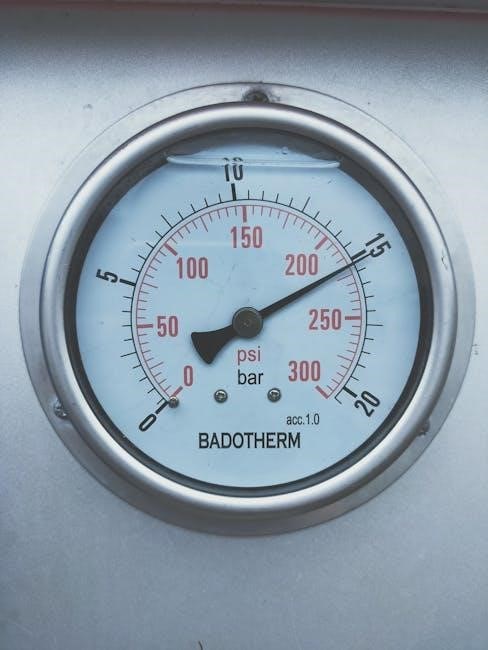
Before starting, ensure all connections are secure and the water supply is fully open. Plug the pressure washer into a grounded outlet. Turn the power switch to the “ON” position. Pull the trigger on the spray gun to initiate water flow; the pump will engage after a brief delay.
Always start with a low-pressure nozzle and gradually increase as needed. Maintain a safe distance from the surface being cleaned. Release the trigger when not actively spraying to conserve water and prevent overheating. Never point the spray gun at people or animals.
Starting the Pressure Washer

Prior to starting, verify the water supply is connected and fully turned on, allowing water to flow freely to the pump. Ensure the power cord is plugged into a grounded outlet. Turn the power switch to the “ON” position. The pump may take a few moments to prime – pull the trigger on the spray gun to begin this process.
Continue holding the trigger until a steady stream of water emerges, indicating the pump is primed. Release the trigger and the pressure washer is now ready for operation. Never operate the unit without water, as this can cause damage.
Adjusting Pressure Settings
The Simpson 3100 PSI pressure washer allows for adjustable pressure, crucial for various cleaning tasks. Pressure is typically adjusted using the unloader valve, often a dial or knob located near the pump. Turning the dial clockwise increases pressure, while counterclockwise decreases it.
Begin with the lowest pressure setting and gradually increase it until the desired cleaning power is achieved. Always test the pressure on an inconspicuous area first to avoid damage to the surface. Understanding your surface material is key to preventing harm.
Proper Spraying Techniques
Effective cleaning with your Simpson 3100 PSI pressure washer relies on proper spraying techniques. Maintain a consistent distance from the surface – typically 8-12 inches – and use smooth, overlapping strokes. Avoid holding the nozzle too close, which can cause damage.
Angle the spray slightly downwards to prevent water from getting under siding or other surfaces. Work from top to bottom to avoid re-soiling cleaned areas. Always utilize the appropriate nozzle for the task at hand, considering surface sensitivity and desired cleaning intensity.
Maintenance and Troubleshooting
Regular maintenance ensures your Simpson 3100 PSI pressure washer’s longevity and optimal performance. After each use, flush the pump with clean water to remove detergent residue; Inspect the high-pressure hose for cracks or leaks, and the nozzles for clogs.
For troubleshooting, if the unit fails to start, check the power source and fuel level. Low pressure often indicates a clogged nozzle or restricted water supply. Addressing these issues promptly prevents further damage and maintains cleaning efficiency. Store the unit in a dry, protected environment.
Cleaning and Storing the Pressure Washer

Proper cleaning and storage are vital for maintaining your Simpson 3100 PSI pressure washer. After each use, disconnect the water supply and nozzle. Flush the pump with clean water to remove any remaining detergent, preventing corrosion. Wipe down the exterior with a damp cloth.

Before long-term storage, drain all water from the pump and hose to avoid freezing damage. Store the unit in a dry, covered area, protected from extreme temperatures. This ensures optimal performance and extends the lifespan of your pressure washer.
Nozzle Cleaning and Maintenance
Maintaining clean nozzles is crucial for consistent spray patterns and optimal cleaning performance with your Simpson 3100 PSI pressure washer. Over time, nozzles can become clogged with mineral deposits or debris. To clean, remove the nozzle and inspect the orifice for blockages.
Use a nozzle cleaning tool or a thin wire to carefully clear any obstructions. Avoid using metal objects that could damage the nozzle’s opening. Regularly inspect nozzles for wear and tear, replacing them when necessary to ensure efficient operation and prevent damage to the pump.
Common Issues and Solutions
Encountering issues with your Simpson 3100 PSI pressure washer is common, but often easily resolved. If the unit fails to start, check the power source and ensure the safety switch is engaged. Low pressure may indicate a clogged nozzle or a kinked hose – inspect and clear these.
For overheating, allow the machine to cool down. If the engine stalls, check the oil level. Always disconnect the power before troubleshooting. If problems persist, consult a qualified technician or refer to the warranty information for assistance and potential repair options.
Simpson 3100 PSI Pressure Washer Parts Diagram
A detailed parts diagram is crucial for maintenance and repairs of your Simpson 3100 PSI pressure washer. This diagram illustrates each component, including the pump, engine, hose, nozzles, trigger gun, and wand assembly.
Refer to the diagram when ordering replacement parts, ensuring compatibility and correct fit. Identifying parts accurately streamlines repairs and minimizes downtime. The diagram also aids in understanding the washer’s internal structure, facilitating more effective troubleshooting and overall maintenance procedures. Always consult the manual alongside the diagram.
Warranty Information
Your Simpson 3100 PSI pressure washer is covered by a limited warranty against defects in materials and workmanship. The warranty period typically begins on the date of purchase, and coverage duration varies depending on the component.
The engine, pump, and frame generally have longer warranty periods than accessories. This warranty does not cover damage resulting from misuse, neglect, or unauthorized repairs. Retain your proof of purchase for warranty claims. Contact Simpson’s customer support for specific warranty details and claim procedures.
Frequently Asked Questions (FAQ)
Q: My pressure washer isn’t starting. What should I do? A: Ensure the unit is properly connected to a power source and the water supply is turned on. Check the fuel level (if gas-powered) and the circuit breaker.
Q: How often should I change the oil? A: Refer to the maintenance schedule in this manual, but generally, change the oil after the first 25 hours of use, then every 50 hours thereafter. Q: What PSI should I use for different tasks? A: Lower PSI for delicate surfaces, higher PSI for tough grime. Always test in an inconspicuous area first.
Technical Specifications

Maximum Pressure: 3100 PSI (pounds per square inch). Water Flow Rate: Typically ranges from 2.4 to 2.6 GPM (gallons per minute), depending on the nozzle. Engine Type: Varies; commonly utilizes a Briggs & Stratton or Honda engine. Pump Type: Axial cam pump, known for durability. Nozzle Quick-Connect: Standard 1/4-inch quick-connect fittings. Hose Length: Usually 25 feet, reinforced for high pressure. Weight: Approximately 65-75 pounds, depending on configuration. Fuel Capacity: Typically 0.5 ⎯ 0.8 gallons (gas models).
Pressure Washer Accessories
Enhance your Simpson 3100 PSI’s versatility with available accessories! These include various nozzle kits (0°, 15°, 25°, 40° soap nozzle) for diverse cleaning tasks. Surface cleaners expedite large area washing. Rotating turbo nozzles boost cleaning power for stubborn grime. Extension wands increase reach for hard-to-access spots. Foam cannons deliver efficient detergent application. Consider a water inlet filter for cleaner pump operation. Replacement hoses and quick-connect fittings are also available. Always use Simpson-approved accessories to maintain warranty validity and ensure optimal performance and safety.
Understanding PSI and GPM
PSI (pounds per square inch) measures the water’s force, while GPM (gallons per minute) indicates the water flow volume. Your Simpson 3100 PSI delivers 3100 PSI, signifying strong cleaning power. GPM determines how quickly surfaces are rinsed. Higher GPM means faster cleaning. A balance is crucial; high PSI with low GPM can be ineffective, while low PSI with high GPM may not remove tough stains. Understanding these metrics helps select the appropriate nozzle and pressure setting for each cleaning application, maximizing efficiency and preventing damage.

Choosing the Right Detergent
Selecting the correct detergent is vital for optimal cleaning results with your Simpson 3100 PSI pressure washer. Always use detergents specifically formulated for pressure washers to avoid damage to the pump. Consider the surface you’re cleaning – different detergents are designed for concrete, siding, vehicles, and more. Avoid using household cleaners, as they can create excessive foam and potentially harm the unit. Ensure the detergent is compatible with your machine’s detergent tank and follow dilution instructions carefully for effective and safe operation.
Environmental Considerations

Responsible use of your Simpson 3100 PSI pressure washer minimizes environmental impact. Avoid directing wastewater towards storm drains, as it may contain detergents and debris. Utilize biodegradable detergents whenever possible to reduce pollution. Be mindful of water conservation; use the appropriate nozzle and pressure settings to avoid excessive water usage. Properly dispose of used detergents and cleaning solutions according to local regulations. Consider the impact on surrounding vegetation and wildlife when cleaning outdoor surfaces, and prioritize eco-friendly practices.
Simpson Pressure Washer Support and Resources
For dedicated assistance with your Simpson 3100 PSI pressure washer, numerous resources are readily available. Visit the official Simpson website for detailed FAQs, troubleshooting guides, and downloadable manuals. Contact Simpson’s customer support team via phone or email for personalized help with any issues. Explore online forums and communities dedicated to pressure washing for peer-to-peer support and advice. Authorized Simpson service centers offer professional repair and maintenance services. Utilize these resources to ensure optimal performance and longevity of your pressure washer.

Downloading the Manual Online
Accessing your Simpson 3100 PSI pressure washer manual digitally is convenient and straightforward. Visit the official Simpson Power Washer website and navigate to the ‘Support’ or ‘Manuals’ section. Search for your specific model number – ensuring accurate identification for the correct documentation. Download the PDF version for offline access and easy printing. Online manuals offer searchable functionality, allowing quick location of specific information. Regularly check for updated versions to benefit from the latest revisions and improvements. A digital copy ensures you always have access to vital operating instructions.
This guide provides essential information for operating and maintaining your Simpson 3100 PSI pressure washer. It covers safety precautions, component identification, detailed assembly instructions, and step-by-step operating procedures. Learn about nozzle selection, hose connections, and proper spraying techniques. Troubleshooting tips address common issues, while maintenance schedules ensure longevity. Diagrams illustrate parts for easy identification, and warranty details are included. Access FAQs for quick answers and understand PSI/GPM ratings. Choose the right detergent and practice environmental responsibility.